Coastal Cleanup
Date
Time
Location
About the Event
Written by Josy LAI (FS2010-11, City University of Hong Kong)
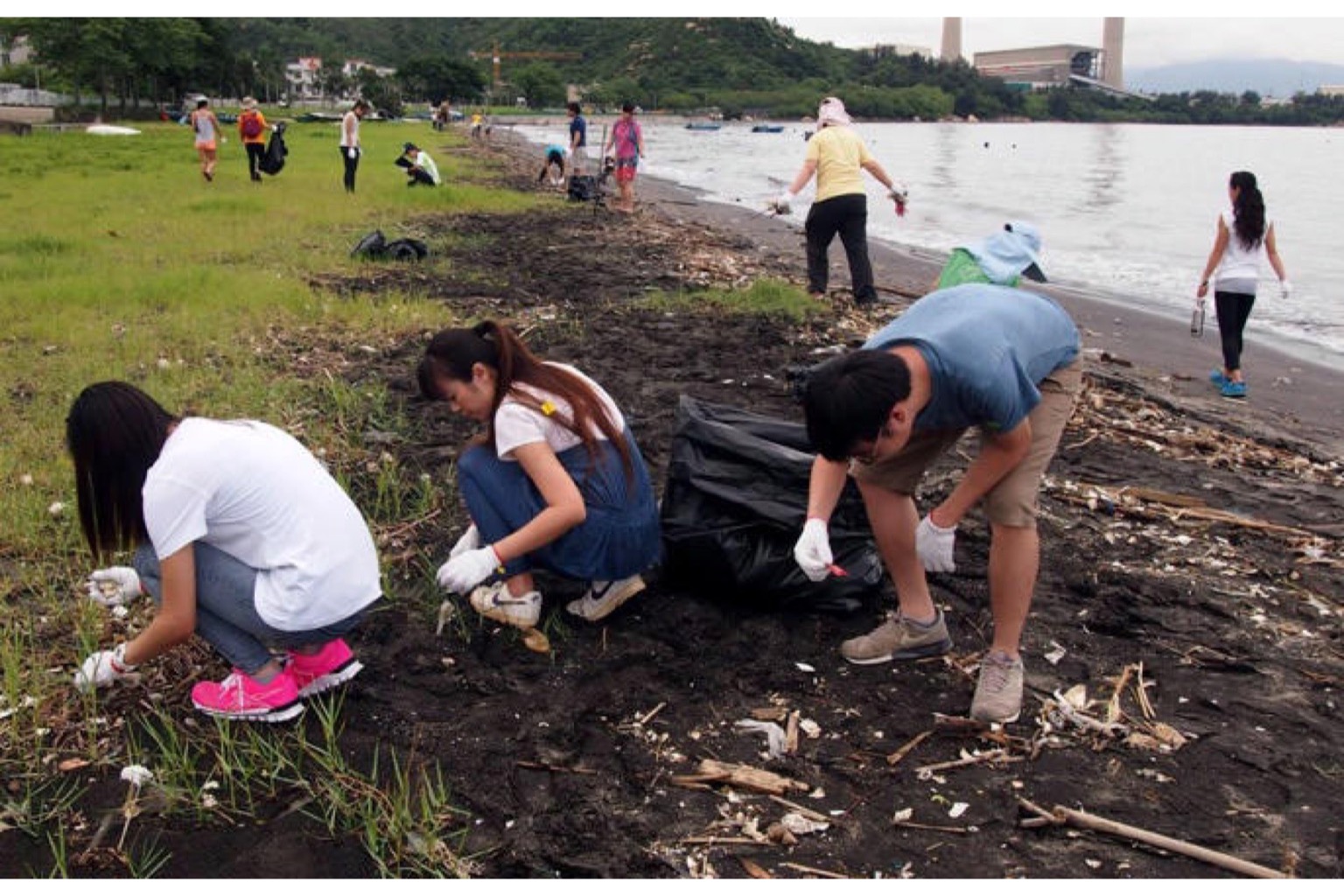
A team of Fung Scholars joined a cross-border clean-up activity on the World Environment Day (5thJune 2016) organized by the Coastal Watch project of WWF-Hong Kong, which involved teaming up with passionate participants from Hong Kong, Macau and mainland China.
Lung Kwu Tan, one of the most heart-breaking coastal sites in Hong Kong, is notorious for its high proportion of marine debris. In two hours, the Fung Scholars and other volunteers found 791 plastic caps, 594 plastic plates and cups, 303 plastic straws and stirrers. This clearly reflects a serious problem with the consumption and improper disposal of single-use plastic products. Not only does the accumulation of marine litter destroy coastal scenery, but it also impacts both marine and human life.
It may seem convenient to use plastic bowls or foam box for fish ball, siu mai (popular street food in Hong Kong) or other take-away food. However, when we picked up the trash, we found that some of them were bitten or deformed. We could not imagine how much plastic the fish had swallowed.
It may only take us a few minutes to buy and finish a bottle of drinks. But if these plastic bottles go into the sea, it will take them at least 450 years to degrade! If these marine debris enter the food chain, marine animals and human being’s health will be undoubtedly harmed!
Indeed, there would not be a huge change even if volunteers clean up the coastlines regularly; neither would there be any big difference if people put plastic rubbish into the recycling bins without taking off the caps or cleaning them.
Waste reduction is the only means to solve the problem. Take some time to dine in instead of ordering take-away or delivery; or if you really need to, please use your own utensils and containers. Let’s change for a better world.
Marine debris
Group photo of all the volunteers